
A credit freeze is the strongest free protection you have against someone opening an account in your name. It costs nothing, it does not affect your credit score, and it stays until you lift it.
Two things trip people up. It only works if you do it at all three bureaus, because none of them tells the others. And the bureaus sell a similar-sounding product called a credit lock, which may carry a monthly fee for protection federal law already gives you for free.
Checkpoints
- AnnualCreditReport.com is the only federally authorized free-report site
- Each bureau now gives you a free report every week — not just once a year
- A freeze must be placed at all three bureaus separately
- A fraud alert is lighter: one bureau notifies the other two, but it does not block access
1 Pull your three reports first, from the one real site
Before you freeze anything, look at what is already on file. AnnualCreditReport.com is the only site authorized by federal law to give you free reports from Equifax, Experian and TransUnion. Everything else that ranks for “free credit report” either charges you, upsells a subscription, or is outright fraudulent.
The three reports differ. A creditor may report to one bureau and not another, so an account you do not recognize can appear on exactly one of them. Read all three, separately.
The weekly free report is the part most people have not caught up with. Older advice says one free report per bureau per year — that annual entitlement still exists, but the bureaus made weekly free reports permanent. You can check as often as you like.
2 Place the freeze at all three bureaus
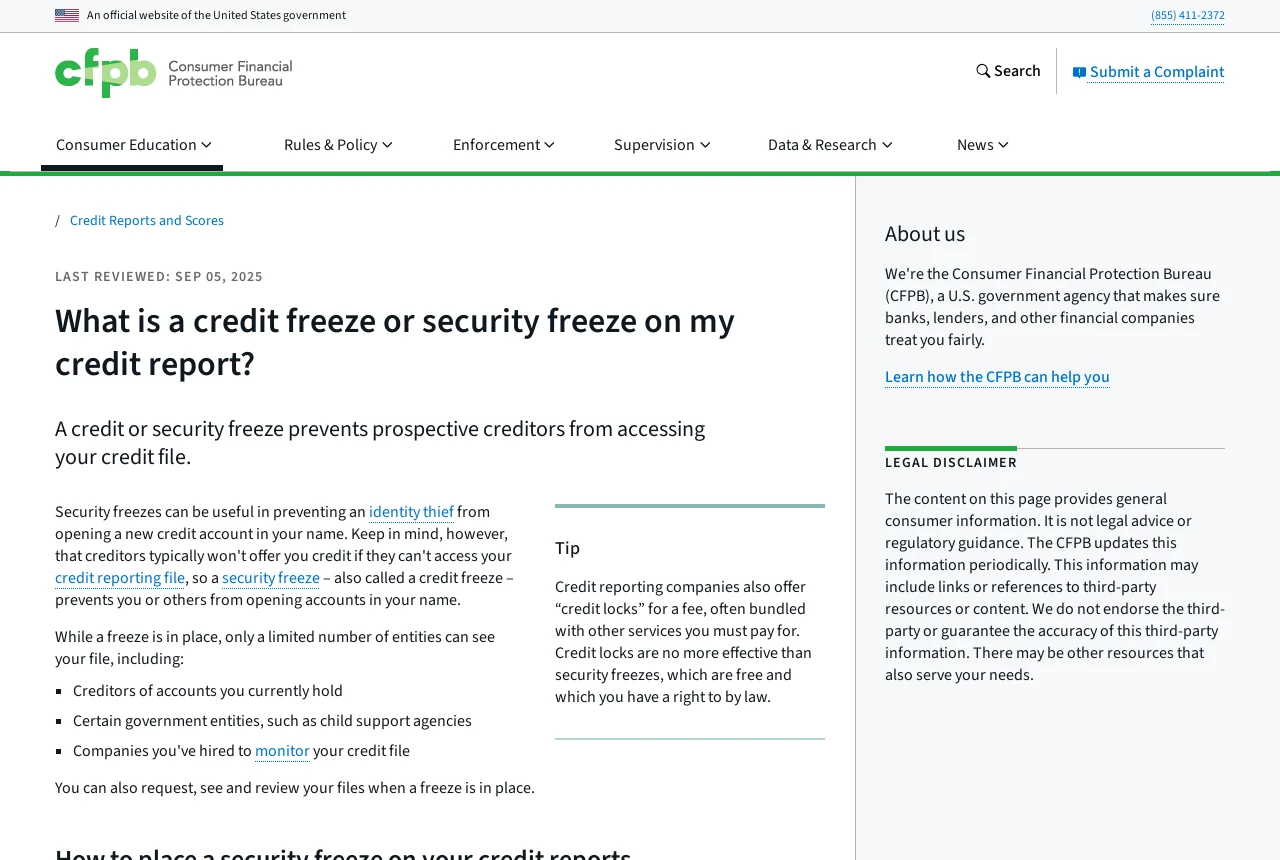
A security freeze stops new creditors from pulling your file. Because a lender cannot see your report, it will not open a new account — which is exactly how identity thieves are stopped. Your existing creditors are unaffected, and your score does not change.
You must contact Equifax, Experian and TransUnion individually. Freezing at one does not propagate to the others. This is the single most common failure, and it leaves two-thirds of the door open.
The law puts the bureaus on a clock. A freeze requested online or by phone must be in place within one business day. Requested by mail, within three business days. Lifting it is just as fast: online or by phone, one business day.
3 Know when a fraud alert is the better tool
A freeze is right when you are not applying for credit. If you are mid-mortgage or shopping for a car loan, a freeze you keep forgetting to thaw becomes a self-inflicted problem.
The lighter option is a fraud alert. Businesses can still see your report, but they must take steps to verify your identity before opening credit. You contact only one bureau, and it is legally required to notify the other two. An initial fraud alert lasts one year and is renewable.
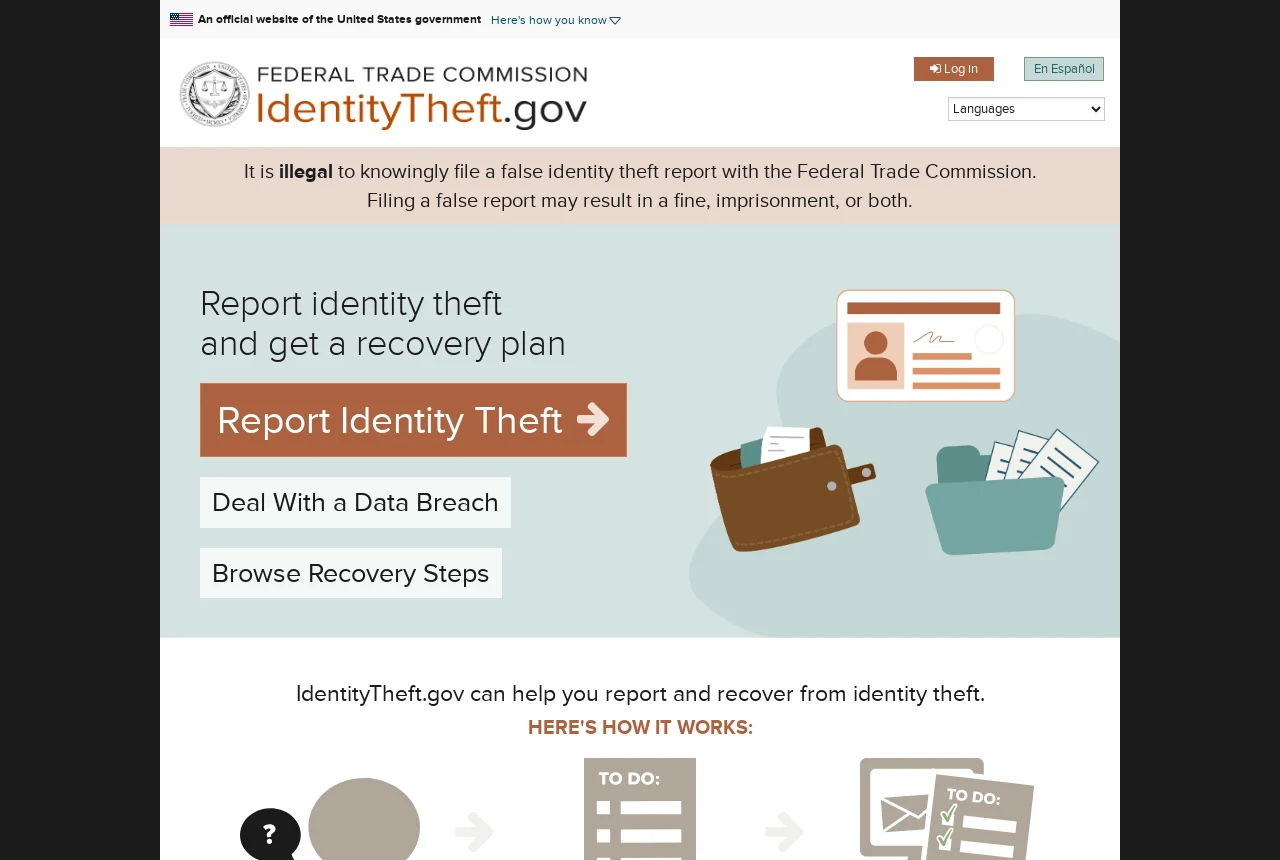
If you are an actual identity-theft victim, start at IdentityTheft.gov. It generates a personalized recovery plan, and a completed FTC Identity Theft Report lets you place an extended fraud alert, which lasts seven years.
4 Common mistakes, and how to avoid them
Mistake 1
Freezing at one bureau and assuming the other two were notified — they were not.
Mistake 2
Paying for a credit lock when a freeze gives federally guaranteed protection for free.
Mistake 3
Using a lookalike “free credit report” site instead of AnnualCreditReport.com.
Do this today
Pull all three reports at AnnualCreditReport.com, read them, then place a freeze at Equifax, Experian and TransUnion — separately. Store the three PINs where you will find them in five years.
FAQ Frequently asked questions
How often can I get a free credit report now?
Each of the three nationwide bureaus provides a free report every week through AnnualCreditReport.com, a program the bureaus made permanent. The free annual report guaranteed by federal law still exists in addition to it.
Does a credit freeze hurt my score or cost money?
No. The FTC states that placing or lifting a freeze is free and that it does not affect your credit score.
Freeze or fraud alert — which should I use?
A freeze blocks new creditors from seeing your file and must be placed at all three bureaus; it is the stronger choice if you are not seeking new credit. A fraud alert keeps your report accessible but requires businesses to verify your identity, and you only contact one bureau, which notifies the other two.
Key takeaways
- AnnualCreditReport.com is the only authorized free-report site — reports are now free weekly
- A freeze is free, does not affect your score, and must be placed at all three bureaus
- Online or phone requests: in place within one business day; by mail, three
- A lock is a paid product; a freeze is the free federal right