
Paper checks for federal benefits are being phased out, and many people worry their Social Security will simply stop. It won’t. The Social Security Administration has been clear that no payments are being paused — even for those who missed the September 2025 changeover date — and the switch to electronic payments is still being completed through 2026.
So the real task isn’t to panic about a deadline that has already passed. It’s to move to a reliable electronic payment at your own pace, and to know how to get an exception if you genuinely can’t. Just as important: this change has become a favorite of scammers. Here’s how to do it safely.
Checkpoints
- Your benefit is not stopping. SSA said no payments are paused, even past the September 2025 date.
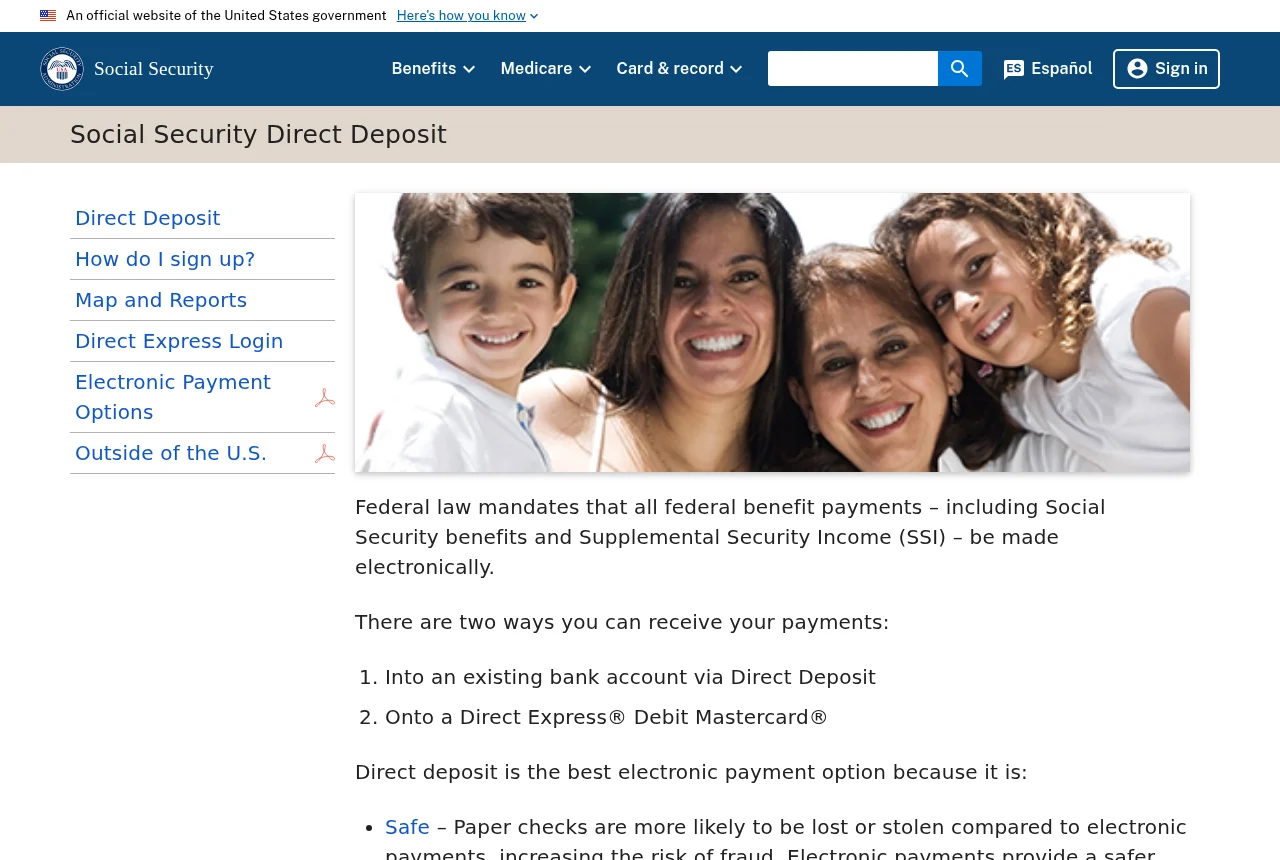
- Switch to direct deposit through your my Social Security account, or to the Direct Express card if you have no bank account.
- Can’t go electronic? You can request a Treasury waiver on hardship grounds — for example, no nearby bank, or a mental-health hardship.
- Scammers impersonate SSA and Treasury over this change — the real agencies never call, text, or email to demand your bank details.
1 Switch online — the fastest way
The quickest route is your my Social Security account at ssa.gov. Sign in or create an account, open the direct deposit section, and enter your bank’s routing and account numbers. The change usually takes effect on your next payment if you make it a few business days before your payment date.
2 No computer or no bank account? You still have options
If you can’t use the website, call the SSA at 1-800-772-1213, or ask your bank or credit union to submit your direct-deposit details to SSA for you. If you have no bank account at all, you can enroll in the Direct Express prepaid debit card through Treasury’s Go Direct program — your benefit loads onto the card each month.
SSI and international beneficiaries have the same phone and bank options. The goal is simply to move off paper before a future disruption, not to rush.
3 If you truly can’t go electronic: ask for a waiver
Federal rules allow exceptions. If you have no way to receive electronic payments — for example, you live somewhere without access to a financial institution, or you have a qualifying mental-health hardship — you can request a waiver from the U.S. Treasury and keep receiving paper checks. Contact the Treasury’s Go Direct program to start.
4 Common mistakes, and how to avoid them
Mistake 1
Panicking that benefits will stop — SSA confirmed no payments are being paused; missing the date does not cut off your check.
Mistake 2
Closing your old bank account before the first electronic payment arrives, which can bounce the payment.
Mistake 3
Giving bank or Social Security details to anyone who contacts you first claiming to be SSA or Treasury — that is a scam.
Do this today
Switch your payment method through your official my Social Security account.
FAQ Frequently asked questions
Will my Social Security check stop because I missed the September 2025 deadline?
No. The SSA has said there are no plans to pause payments, and it still issues paper checks where someone has no other option. You should switch to an electronic payment anyway, to avoid a future delay or a lost check.
I don’t have a bank account. How can I get paid?
You can enroll in the Direct Express prepaid debit card through Treasury’s Go Direct program, which loads your benefit onto a card each month, or open an account at a bank or credit union. If neither works, you can request a waiver.
How do I keep getting a paper check?
Request a waiver from the U.S. Treasury on qualifying hardship grounds, such as living without access to a financial institution or a mental-health hardship. If approved, paper checks continue.
Key takeaways
- Paper federal benefit checks are ending, but your Social Security payment is not being stopped.
- Switch to direct deposit via my Social Security, or to the Direct Express card if you have no bank account.
- If you can’t go electronic, request a Treasury waiver on hardship grounds.
- Never share bank or Social Security details with anyone who contacts you first — that is the scam riding this change.